30 May 2026
Britain's Mobile Gamblers Sequence Sports Wagers Into Poker Tournaments Through Stacked Incentives in Hybrid Apps
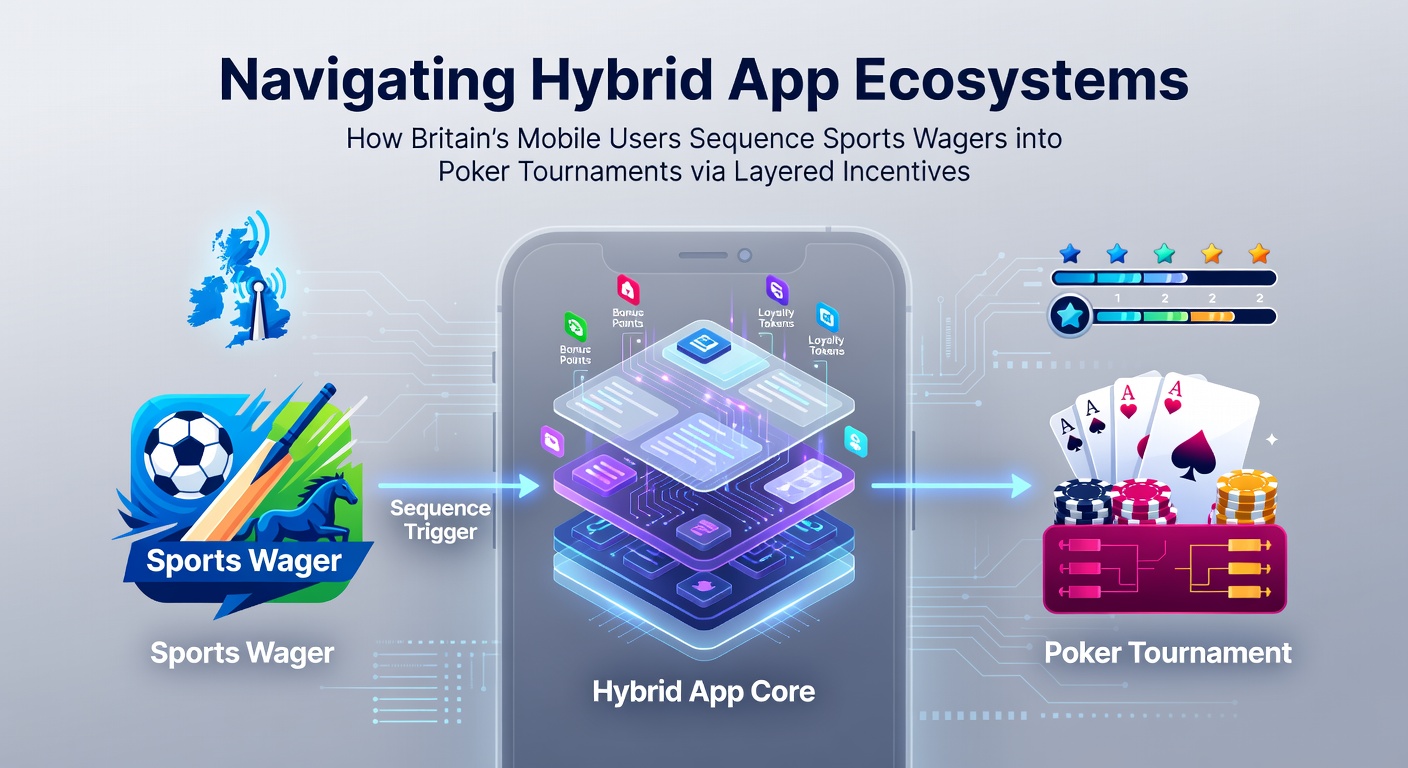
British users navigate hybrid gambling platforms by beginning with sports wagers that unlock layered rewards, then progressing toward poker tournaments as bonus structures accumulate across sessions. These apps integrate sportsbooks with casino and poker sections so that deposits, bets, and completed wagers generate credits that carry forward into different verticals without requiring separate accounts or transfers.
Observers note that many platforms structure entry points around football or horse racing markets because these events occur frequently and allow quick accumulation of loyalty points or free bet tokens. Once a user places a qualifying sports stake, the system records progress toward tiered thresholds that release poker-specific incentives such as tournament tickets or chip boosts. This sequencing relies on unified player profiles that track activity across verticals, allowing a single deposit to support both initial sports activity and later poker participation.
Mechanics of Cross-Vertical Reward Stacking
Data from platform analytics indicate that reward layers typically activate after a sports wager meets minimum odds or stake requirements, at which point the user receives either a cashable credit or a non-withdrawable token valid in the poker section. Multiple layers can combine when a user completes successive sports bets within a promotional window, producing stacked values that cover buy-ins for scheduled tournaments. Researchers at the University of Sydney's Gambling Research Unit have documented similar patterns in multi-product apps where sequential incentives increase retention across game types rather than isolating users within one vertical.
Hybrid systems often employ daily or weekly challenges that begin with sports selections and end with poker tasks, creating a directed pathway. For instance, a user might receive a free sports bet on a Premier League match, then earn additional spins or chips upon settlement, followed by an invitation to a low-stakes poker freeroll. The transition feels seamless because the same wallet balance and progress bar appear in every section of the app, removing friction that previously required manual navigation between separate products.
Platform Features Supporting Sequential Play
Most hybrid operators maintain unified loyalty programs where points earned from sports wagers convert directly into poker tournament entries or cash equivalents usable at the tables. These programs frequently reset or advance on monthly cycles, encouraging users to maintain activity across seasons. In May 2026 several major platforms plan interface updates that further streamline the display of available cross-vertical rewards, reducing the number of taps needed to move from a settled sports bet to an open poker lobby.
Push notifications and in-app banners highlight upcoming poker events that accept the specific reward types accumulated from sports activity. Users who follow these prompts complete the sequence more often than those who browse sections independently, according to internal metrics shared by operators with industry analysts. The design keeps the sports betting interface as the primary landing screen for many accounts, yet poker options remain one or two interactions away once rewards are unlocked.

User Navigation Patterns Observed in 2025-2026
Tracking studies show that a significant portion of mobile sessions begin with sports markets during peak fixture periods and shift toward poker during evening hours when tournament schedules align with accumulated rewards. This pattern emerges because layered incentives carry expiration dates that align with weekly or bi-weekly poker calendars, prompting users to redeploy credits before they lapse. Platforms that display remaining reward balances prominently in both sports and poker views record higher completion rates for the full sequence.
According to reports from the Responsible Gambling Council in Canada, users who engage with multi-product apps demonstrate distinct session structures compared with single-vertical players, often extending total playtime when rewards bridge different games. British hybrid apps replicate these structures by surfacing poker options immediately after sports settlement screens, capitalising on the moment when users review their latest wager outcome and see newly unlocked incentives.
Regulatory Context and Market Adjustments
Operators continue to adjust incentive mechanics ahead of anticipated policy reviews expected around mid-2026, ensuring that layered rewards remain compliant while still guiding users across verticals. The focus remains on transparent conversion rates between sports-derived credits and poker entries, with clear display of any wagering conditions attached to each layer. Industry groups such as the European Gaming and Betting Association have published guidelines encouraging consistent terminology across hybrid platforms so that users understand how sports activity feeds into poker opportunities without ambiguity.
These adjustments coincide with broader platform consolidation, where fewer but more integrated apps serve the British market. Users therefore encounter standardised progression systems that start with familiar sports wagers and expand into poker tournaments through the same account infrastructure.
Conclusion
Britain's hybrid mobile apps have established clear pathways that begin with sports wagers and conclude in poker tournaments by deploying layered incentives that accumulate and convert automatically. Unified profiles, visible progress indicators, and timed challenges maintain continuity across verticals, allowing users to sequence activity without leaving the single application environment. Data from multiple research bodies confirm that such structures influence session patterns, while regulatory and industry bodies monitor compliance as platforms prepare further refinements scheduled for 2026.