11 Jul 2026
Integrating Incentives: Reward Layering Methods in Poker Rooms, Slot Machines, and Live Dealer Events
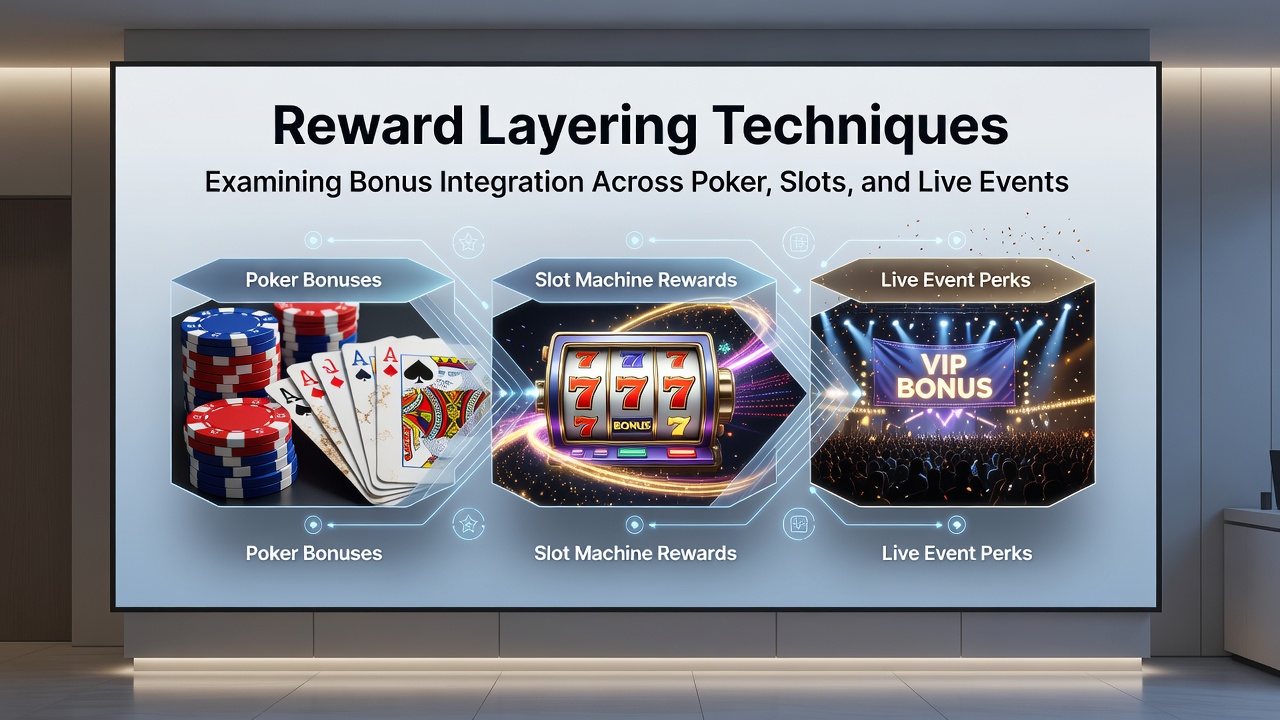
Reward layering combines multiple promotional offers so players accumulate value from separate channels while meeting distinct playthrough conditions, and this approach appears across poker rooms, slot platforms, and live dealer events where operators structure incentives to encourage activity in several game types simultaneously. Data from industry reports indicate that such techniques rely on sequential bonus activation rather than isolated promotions, allowing participants to stack welcome packages with ongoing loyalty tiers and game-specific multipliers.
Core Mechanics Behind Layered Rewards
Operators typically sequence bonuses by release timing, where an initial deposit match unlocks after the first wager, followed by free spin credits that apply only to designated slot titles, and cashback percentages that activate on net losses across live tables. Research from the University of Nevada Las Vegas Center for Gaming Research shows these sequences often include separate wagering requirements for each component, such as 30x on poker rake contributions versus 20x on slot coin-in, which creates distinct paths for bonus clearance. Those who study player behavior note that clear separation of terms prevents overlap conflicts while still permitting cumulative progress toward higher loyalty levels.
Layering also incorporates cross-vertical triggers, so a certain volume of slot spins can release poker tournament tickets, and live event participation can add multiplier boosts to remaining slot balances. Figures released by the Nevada Gaming Control Board reveal steady increases in multi-product account activity through mid-2026, with layered structures cited as a contributing factor in retention metrics tracked during July of that year.
Poker Room Implementations
Poker sites apply layering through rakeback programs that combine with tournament ticket bundles and deposit matches, where each element carries its own contribution rate toward overall playthrough. Players receive percentage returns on rake paid, then unlock additional satellite entries once rake totals reach preset thresholds, while separate reload bonuses apply only to cash game sessions. Observers note that this structure encourages consistent volume across both tournament and cash formats without forcing players into a single game type.
Seasonal events add further layers, such as leaderboard prizes that stack with standard loyalty points, creating parallel reward streams that mature at different intervals. Industry analyses indicate poker operators adjust these layers seasonally to align with major tournament calendars, maintaining steady engagement outside peak periods.
Slot Platform Approaches
Slot offerings layer free spin packages atop deposit matches and progressive jackpot contributions, with each element tied to specific reel sets or volatility levels. A standard welcome package might deliver match funds usable on any title, then release spin credits restricted to medium-volatility games, while daily login rewards accumulate separate coin bundles that feed into loyalty meter progress. Data compiled by state regulators in Nevada show that such segmented releases correlate with higher daily active user counts when compared against single-bonus structures.
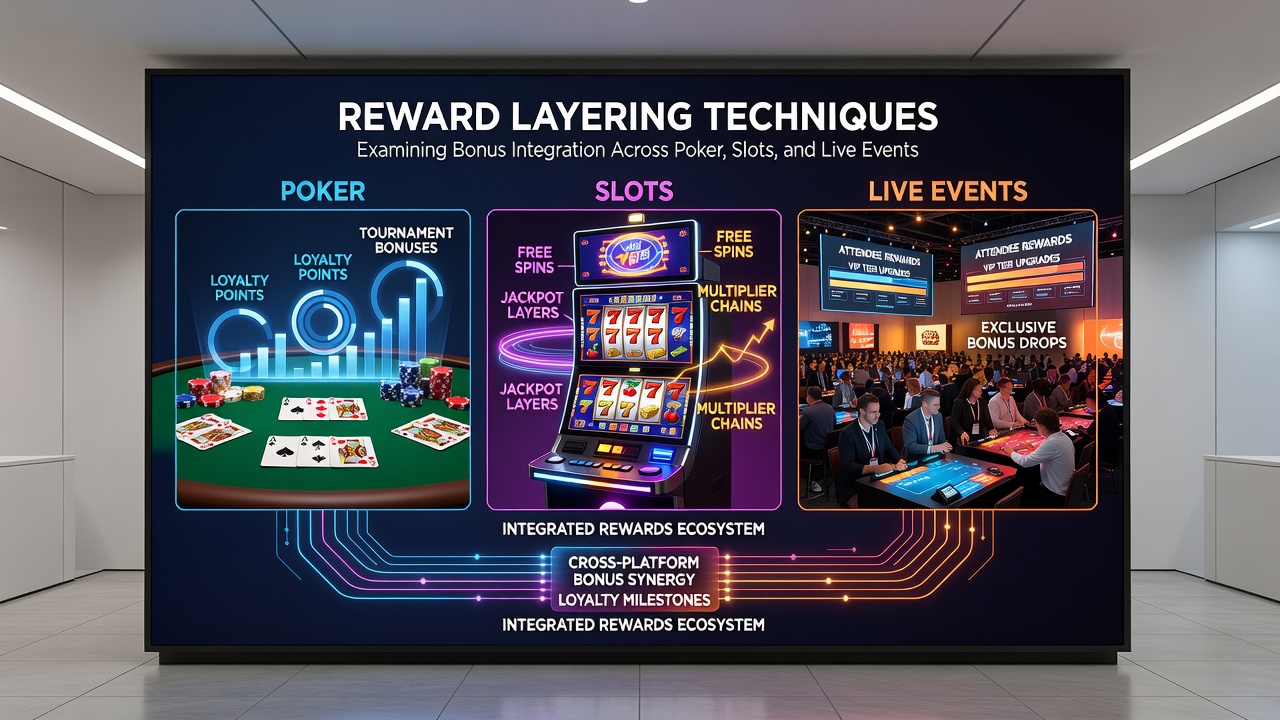
Progressive systems further integrate layers by awarding additional spins once players reach coin-in milestones across multiple sessions, and these rewards often carry their own expiration windows that differ from the main bonus terms. Researchers tracking slot engagement patterns observe that players frequently alternate between high-volatility titles for larger potential multipliers and lower-volatility games to meet steady wagering targets.
Live Event Integration Strategies
Live dealer and event platforms combine table game cashback with entry tickets to scheduled tournaments and exclusive multiplier periods. A player might receive percentage returns on blackjack or roulette wagers, then apply those returns toward buy-ins for live-streamed events where additional prize pools become available. Reports from the Victorian Commission for Gambling and Liquor Regulation in Australia document similar patterns where live event bonuses activate only after a minimum number of table rounds, creating sequential dependencies that encourage sustained participation.
Event-specific overlays add temporary layers such as time-limited multipliers on live baccarat or dedicated leaderboards that award physical prizes alongside digital credits. These overlays typically run parallel to ongoing loyalty programs, allowing simultaneous accumulation without resetting existing progress bars.
Regulatory and Operational Considerations
Regulators in multiple jurisdictions require clear disclosure of each layer's terms, including separate playthrough rates and eligible game lists, to ensure transparency across product verticals. Operators respond by publishing unified bonus ledgers that display remaining requirements for every active promotion in a single view. This approach aligns with guidelines issued by bodies such as the Nevada Gaming Control Board and similar agencies in other regions, which emphasize distinct tracking for each promotional component.
Technical systems behind these layers use modular tracking software that assigns contribution percentages per game category, preventing unintended double-counting while still permitting players to advance multiple bonuses through varied activity. Updates implemented by July 2026 refined these tracking mechanisms to handle increased cross-product traffic observed in operator reports.
Conclusion
Reward layering across poker, slots, and live events relies on sequenced activation, separate wagering conditions, and cross-vertical triggers that operators manage through modular tracking systems. Data from regulatory sources and academic centers indicate these methods support multi-product engagement while meeting transparency requirements set by oversight bodies. Continued refinement of disclosure tools and contribution tracking appears likely as participation patterns evolve through 2026 and beyond.