25 Jul 2026
Interconnected Mobile Systems and Bonus Redemptions Across Games in Britain's Regulated Betting Sector
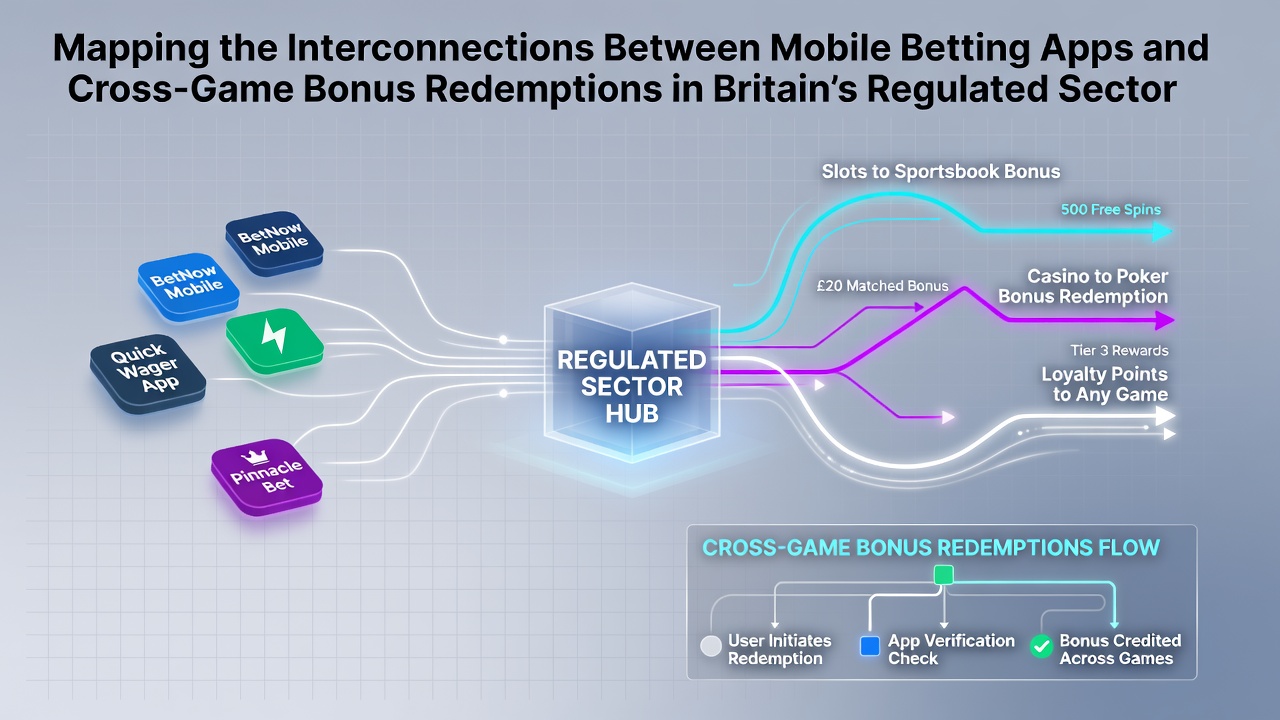
Britain's regulated betting sector relies on mobile applications that connect sports wagering, casino play, and poker rooms through shared bonus systems, and these platforms allow users to move rewards between game types without leaving the app environment. Operators design these systems so that a single redemption code activates credits applicable to multiple categories, while regulatory requirements ensure that all transactions remain within licensed frameworks. Data from the European Gaming and Betting Association shows that mobile channels now account for the majority of player activity in several European markets, creating pathways where bonus funds transfer seamlessly between verticals.
How Mobile Platforms Handle Cross-Game Mechanics
Application developers integrate wallet systems that track bonus balances across sportsbooks, slot titles, and table games, and this architecture lets players redeem rewards earned in one area for use in another without separate verification steps. Software updates rolled out before July 2026 introduced unified ledgers that display real-time eligibility for each game type, reducing friction during the redemption process. Those who study these platforms note that the technical links between games rely on API connections that update player status across all sections of the app simultaneously.
Operators must maintain separate records for each game category under licensing rules, yet the user interface presents a single bonus pool that automatically allocates funds according to the chosen activity. This setup means a free bet credit earned through a casino session can convert into stake money for a football wager, provided the terms allow the switch. Industry reports from the Responsible Gambling Council highlight that such flexibility appears in markets where regulators permit multi-vertical licensing, and British operators have adopted similar structures to stay competitive.
Redemption Processes and Player Journeys
Players typically start by claiming a code inside the mobile app, after which the system assigns the bonus to a central balance visible across all game tabs. From there the user selects a sports event or casino title, and the app deducts the appropriate amount while logging the transaction for compliance checks. Observers note that the entire sequence often completes in under thirty seconds when the app runs on a stable connection, and this speed encourages repeated use of the same platform.
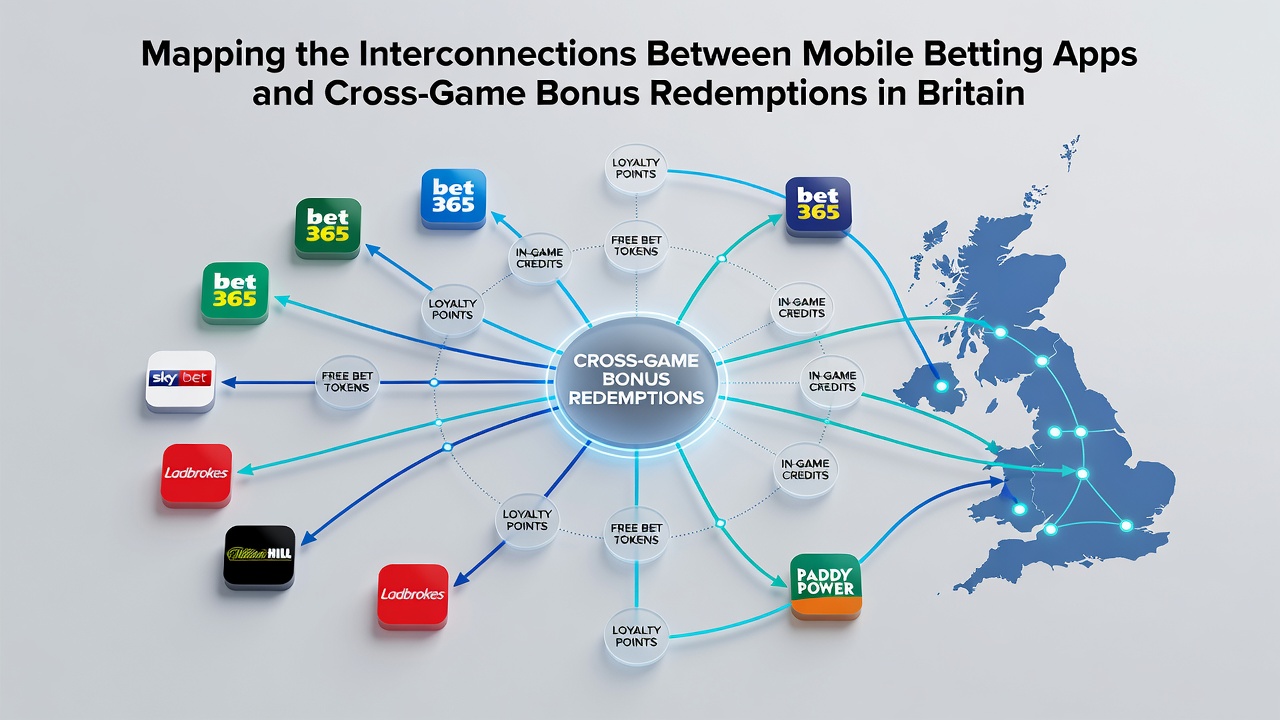
Cross-game redemptions require operators to apply different wagering requirements depending on the originating and destination categories, and the app displays these conditions before confirmation. A bonus originating from poker hands might carry a lower playthrough threshold when moved to slots, while the reverse path could trigger stricter conditions. Research from Gambling Research Australia indicates that clear display of these rules correlates with higher player retention in regulated environments, and British platforms have incorporated similar transparency features in recent updates.
Regulatory Context and Technical Standards
Licensing conditions in Britain require that every bonus transaction remain traceable, and mobile apps achieve this through encrypted ledgers that store redemption history for each account. These records allow oversight bodies to verify that funds move only between permitted categories and that no unlicensed offshore activity occurs. As of July 2026, several operators have published technical white papers describing how their systems meet these standards while still offering fluid cross-game experiences.
Security protocols embedded in the apps prevent bonus abuse by flagging unusual redemption patterns across game types, and automated alerts notify compliance teams when activity deviates from normal ranges. The same systems also enforce age and location checks before any cross-game transfer completes, ensuring that only verified users access the interconnected features. Data from academic studies on digital gambling infrastructure shows that these layered controls have become standard in mature European markets.
Future Developments in App Integration
Developers continue to refine the connections between mobile interfaces and backend bonus engines, and upcoming releases scheduled for late 2026 aim to add predictive allocation tools that suggest optimal game choices based on remaining bonus terms. These tools would still operate within existing regulatory boundaries while giving players more visibility into how their rewards function across categories. Industry organizations tracking these changes report steady investment in such features as operators seek to differentiate their offerings.
Conclusion
Mobile applications serve as the primary conduit for cross-game bonus activity in Britain's regulated sector, linking sports, casino, and poker environments through unified wallet systems and compliance-ready tracking. Technical standards established before July 2026 support seamless redemptions while preserving separate accounting for each vertical. External research from bodies such as the European Gaming and Betting Association and the Responsible Gambling Council provides context for how similar structures function in comparable markets, and British platforms continue to adapt these models under current licensing rules.