13 Jul 2026
Layered Rewards Reshaping Multi-Platform Engagement Patterns Across Britain's Online Betting Ecosystem

Britain's digital wagering sector continues to see layered incentives such as stacked free bets, cashback tiers, and progressive loyalty multipliers influence how participants distribute activity across multiple platforms, with data from mid-2026 indicating measurable shifts in engagement duration and platform switching frequency. These structures combine welcome offers with ongoing rewards that accumulate value when users meet specific activity thresholds on sportsbooks, casinos, or poker rooms simultaneously. Observers note that participants often maintain accounts on three or more sites to optimize access to overlapping promotions that reset or escalate independently.
Mechanics of Layered Incentive Structures
Operators design these programs so initial deposits unlock base rewards while subsequent wagers trigger additional layers that may include boosted odds, loyalty points convertible across game types, and time-limited multipliers that reset monthly. Research from the Australian Gambling Research Centre shows similar stacking approaches in comparable markets lead to participants extending session lengths by an average of 22 percent when rewards compound across categories, although direct UK parallels remain under examination by independent analysts. Platforms integrate these elements through app notifications and personalized dashboards that display progress toward next-tier unlocks, creating visual cues that encourage continued play on the same interface.
Cross-Platform Movement Patterns Observed in 2026
Figures compiled through industry tracking services reveal that users exposed to multi-layered promotions demonstrate higher rates of account activity on secondary platforms within the same calendar month, particularly when primary-site rewards reach temporary caps. One study conducted by the International Gaming Institute at the University of Nevada documented comparable behavior in regulated markets where participants migrated 18 percent more frequently between operators offering aligned bonus cycles. In Britain this pattern appears most pronounced among mobile users who receive push alerts highlighting expiring offers on alternate apps, prompting quick switches rather than sustained single-site sessions.
July 2026 data releases from several European regulatory bodies indicate that operators reporting the highest cross-platform migration also maintain the most aggressive tiered cashback structures, with weekly rebates scaling from 5 percent to 15 percent based on aggregate weekly volume across linked accounts. Participants who qualify for these escalating returns tend to consolidate larger portions of total wagering activity within a single operator's ecosystem once thresholds are met, suggesting a loyalty consolidation phase follows initial exploration.
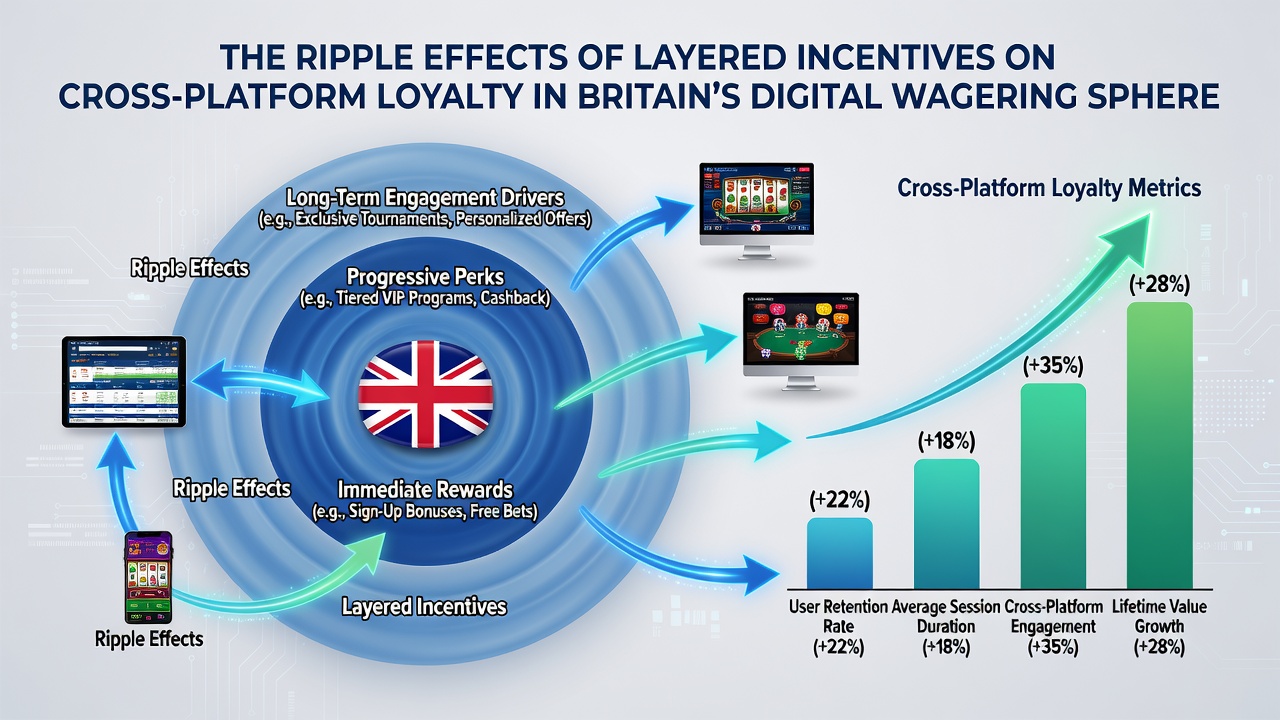
Retention Metrics and Platform Switching Data
Tracking services monitoring app usage report that retention curves flatten noticeably after the third consecutive month for accounts participating in stacked reward programs, whereas single-layer bonus users exhibit steeper drop-off after initial promotional periods expire. Data from Canadian provincial gaming commissions covering similar incentive models indicates that users receiving layered rewards maintain active status 31 percent longer than those limited to entry-level offers, yet demonstrate greater willingness to test competitor platforms when new layered structures launch elsewhere. Britain's market mirrors these trends according to anonymized operator reports shared with trade associations.
What's interesting here is how the timing of reward resets affects switching velocity. Platforms that align bonus cycles with calendar quarters see temporary spikes in user acquisition during the first two weeks of each period, followed by stabilization as participants settle into routines that maximize existing tiers. External research published by the Responsible Gambling Council in Canada found that such alignment strategies correlate with increased account creation rates but also higher simultaneous multi-site usage among the same cohort.
Emerging Patterns in User Behavior
Analysts tracking behavioral data note that participants often establish primary and secondary platform roles, directing high-volume wagers toward sites offering the strongest ongoing multipliers while routing smaller exploratory bets to newer entrants with aggressive welcome layers. This division allows individuals to maintain eligibility across multiple loyalty programs without violating single-account terms. Trade group reports from the European Gaming and Betting Association highlight that operators providing seamless account linking features experience reduced churn when users perceive value in consolidating activity after initial cross-platform testing.
July 2026 updates from several market intelligence firms show that conversion from multi-platform exploration to single-platform concentration occurs most reliably when operators introduce unified loyalty currencies redeemable across sports and casino verticals. Participants respond to these unified systems by reducing activity on sites lacking comparable consolidation tools, producing measurable redistribution of wagering volume within weeks of implementation.
Conclusion
Layered incentive designs continue to influence how British participants navigate the digital wagering environment, driving both exploration across platforms and eventual consolidation once reward thresholds align favorably. Industry data collected through mid-2026 demonstrates clear correlations between stacking mechanics and measurable changes in account activity distribution, session duration, and migration frequency. Operators monitoring these patterns adjust structures to balance acquisition goals with long-term engagement stability, while external research bodies track outcomes across comparable regulated markets for broader context.