15 Jul 2026
Mobile Innovations Transforming Perk Access in Sports and Card Play
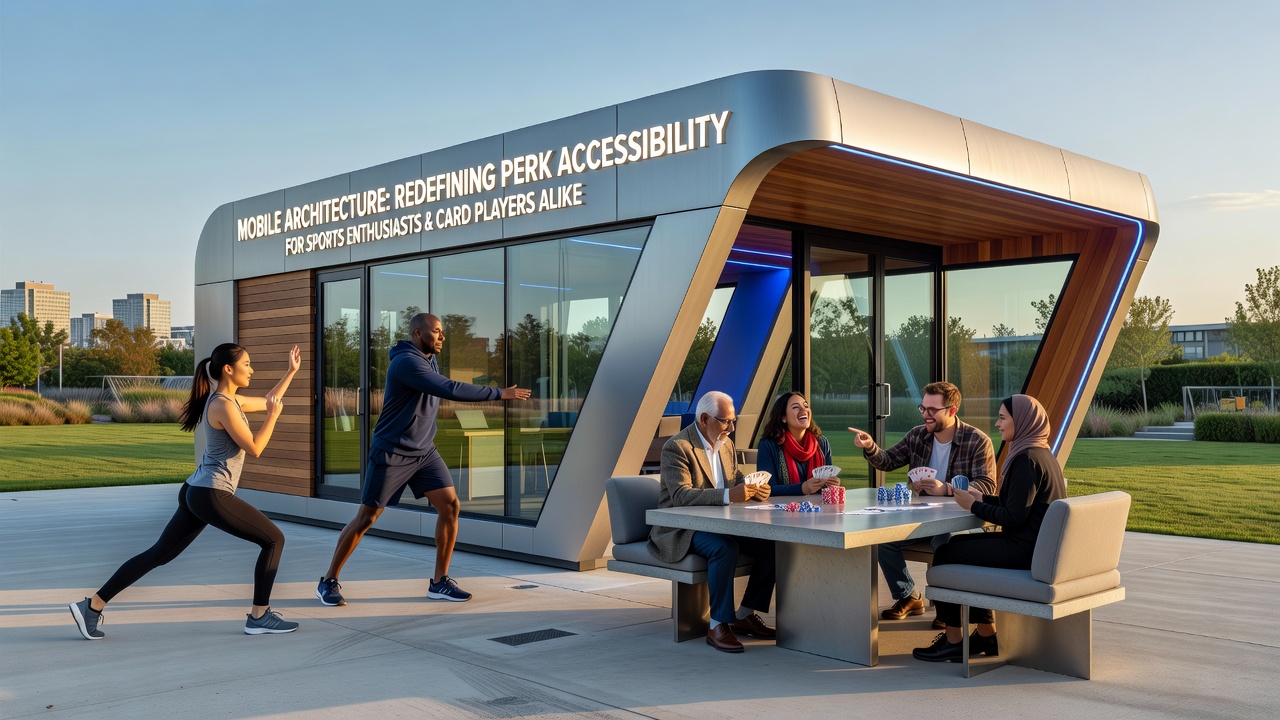
Developers have built mobile architectures that connect users directly to reward systems in sports betting platforms and card gaming applications, and these systems rely on cloud-based backends paired with real-time data synchronization to deliver offers without traditional delays. Observers note that frameworks using microservices allow separate modules to handle user authentication, perk calculation, and payout processing simultaneously, which cuts down on loading times during live events or poker sessions.
Core Components Driving Accessibility
Native app development combined with cross-platform tools such as React Native and Flutter creates consistent experiences across devices, while backend services powered by APIs pull from centralized databases to verify eligibility for bonuses and free plays. Data indicates that integration with device features like push notifications and location services lets platforms alert participants about time-sensitive perks tied to upcoming matches or table openings, and this approach has expanded reach for both casual sports followers and dedicated card players since the mid-2020s.
Security layers including token-based authentication and encrypted storage protect account details during transactions, whereas personalization engines analyze past activity to tailor rewards such as deposit matches for sports wagers or chip reloads for poker rooms. Researchers at institutions tracking digital entertainment trends have documented how these elements reduce barriers that once required desktop logins or manual code entries.
Applications in Sports Environments
Sports enthusiasts benefit when mobile architectures stream live odds alongside instant perk prompts, and systems often bundle offers with in-game actions like placing a parlay or tracking a favorite team. In July 2026 several platforms rolled out enhanced geofencing that activates location-specific bonuses at stadiums or during broadcasts, connecting users to rewards through seamless app interfaces rather than separate portals.
According to reports from the American Gaming Association, mobile-driven access has supported steady growth in participation metrics across regulated markets, with architecture updates enabling faster verification of user status and quicker distribution of loyalty points. Those who've examined platform logs observe that reduced friction in claim processes correlates with higher repeat engagement during major tournaments.
Card Gaming and Poker Adaptations

Card players encounter similar shifts as mobile frameworks embed tournament entry perks and sit-and-go bonuses directly into app dashboards, and real-time syncing ensures that accumulated points convert to playable chips without interrupting table flow. Cross-device continuity means a session started on a phone continues on a tablet, preserving progress toward milestone rewards.
Industry analyses from the European Gaming and Betting Association highlight how these architectures support multi-game ecosystems where sports and card offerings share unified loyalty ledgers, allowing participants to move between categories while maintaining access to accumulated benefits. One case study from platform operators showed that streamlined mobile claim flows increased redemption rates compared with earlier web-only models.
Technical Trends and Broader Patterns
Edge computing additions help process perk validations closer to the user device, which cuts latency during peak hours such as weekend sports slates or evening poker peaks, and machine learning overlays refine offer timing based on aggregate usage patterns rather than static schedules. Government agencies in regions like Canada and Australia have tracked these developments through periodic digital economy assessments that note expanded mobile integration across entertainment sectors.
Observers point out that modular design principles let operators update individual components, such as reward algorithms or notification services, without full app redeployments, which keeps systems responsive to regulatory changes and user feedback loops. Academic papers from research groups at universities including UNLV have explored how such flexibility influences long-term retention across betting and gaming verticals.
Conclusion
Mobile architectures continue to reshape how sports enthusiasts and card players reach available perks through integrated, device-native pathways that prioritize speed and relevance, and ongoing refinements in backend connectivity plus user-interface design sustain this evolution across multiple jurisdictions. Data from varied regulatory and industry sources shows consistent expansion in mobile-centric reward delivery as platforms adapt to user habits recorded through 2026.