27 May 2026
Player migration routes between accumulator markets and video poker lobbies expose overlooked synchronization rules inside Britain's top mobile operator dashboards

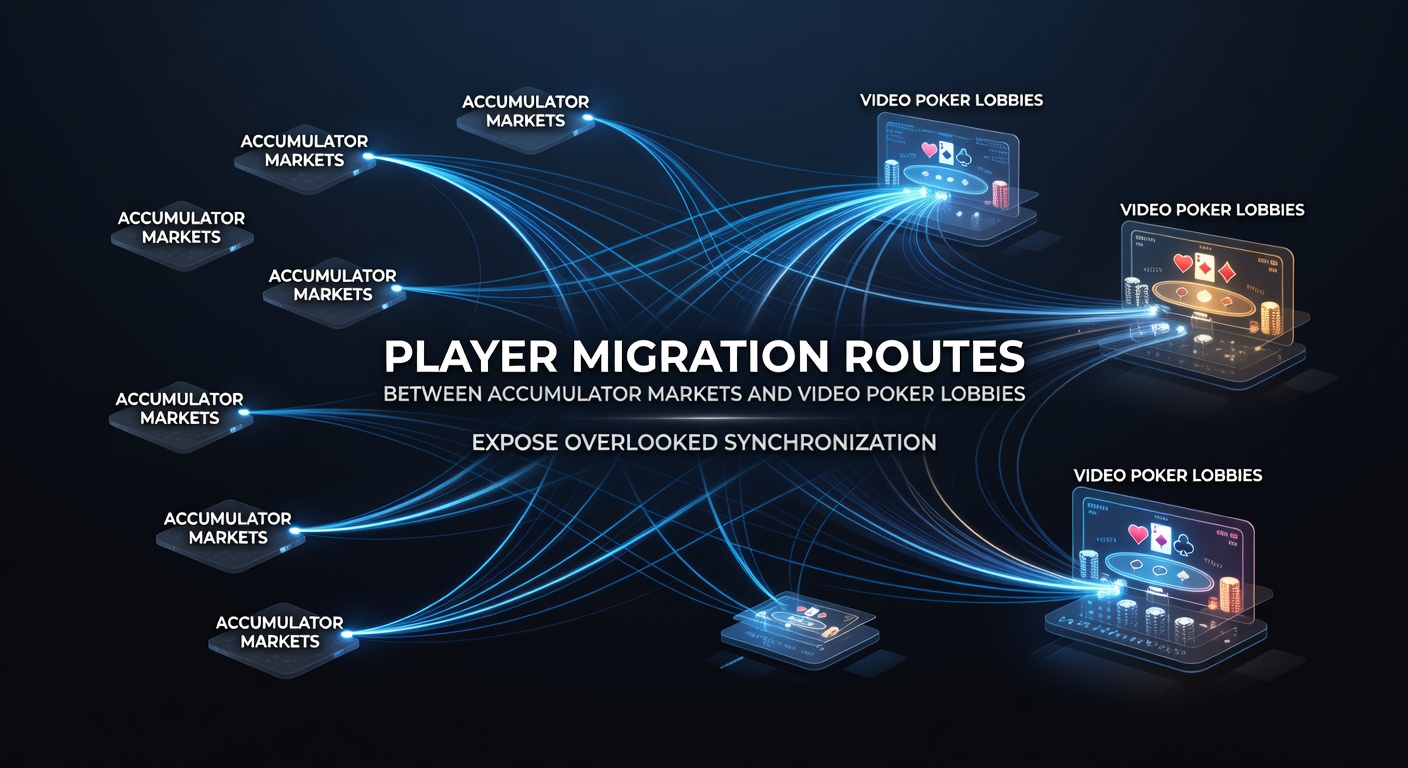
Player movement patterns between accumulator selections in sports betting sections and video poker tables reveal hidden synchronization protocols embedded in the backend systems of leading British mobile operators, and these connections often surface through routine account activity logs rather than explicit user notifications. Observers note that when individuals complete accumulator bets on football or horse racing markets, their session data frequently transfers to casino environments without full realignment of bonus eligibility or stake limits, creating gaps that dashboard interfaces rarely flag in advance.
Tracking cross-section navigation in hybrid platforms
Data from operator analytics shows consistent routes where users finish accumulator builds in one tab then shift directly into video poker lobbies, often within the same app session, while balance updates rely on shared servers that apply distinct rule sets for each vertical. Researchers at institutions tracking digital gambling behavior have documented cases where a completed accumulator triggers an automatic credit refresh visible only after entering the poker area, and this delay stems from separate ledger systems that operators maintain for regulatory compliance across product types.
Those monitoring app performance find that synchronization occurs through timed API calls rather than instantaneous mirroring, which means pending accumulator payouts may not register in poker stake calculations until the next refresh cycle completes. In practice this affects players who attempt to use recent winnings immediately, since the dashboard displays combined totals yet enforces separate verification steps for each market category.
Technical rules governing data alignment across verticals
Internal synchronization protocols require that account states align on parameters such as wagering contributions and loyalty tier progress, yet the rules differ depending on whether activity originates in accumulator markets or video poker sessions. Studies indicate that video poker outcomes contribute at reduced rates toward sports bonus thresholds compared with the reverse flow, and operators apply these distinctions to prevent cross-vertical exploitation while still permitting fluid player movement.
One documented mechanism involves session tokens that carry partial metadata between sections, allowing balance figures to appear consistent on the main dashboard while restricting certain features until full reconciliation finishes. This setup surfaces most clearly when users navigate from high-volume accumulator activity into video poker, where lower minimum stakes meet stricter verification layers inherited from the sports side.
Impact on player journeys during 2026 platform adjustments
Shifts scheduled for May 2026, including reduced physical betting locations operated by major groups, have accelerated mobile adoption adn increased the volume of cross-vertical sessions recorded in operator systems. Figures from industry monitoring groups reveal that migration frequency between accumulators and video poker rises during periods of structural change, because users consolidate activity within fewer apps and encounter synchronization boundaries more often.
Technical teams at these operators have adjusted dashboard refresh intervals in response, though the underlying rules around data handoff remain unchanged. People examining these adjustments observe that video poker lobbies now display temporary hold messages when recent accumulator activity has not yet synchronized, directing attention to the need for manual refresh rather than automatic updates.
Comparative insights from international regulatory approaches
Regulatory frameworks outside Britain offer context on similar synchronization challenges. Reports from the Pennsylvania Gaming Control Board highlight how multi-product platforms in regulated US markets handle ledger separation between sports and table games, requiring explicit user confirmation before balances transfer across sections. Parallel observations appear in analyses from the Victorian Responsible Gambling Foundation, where researchers examined session continuity rules and found that staggered synchronization reduces disputes over bonus allocation.
These examples illustrate that overlooked alignment protocols exist across jurisdictions whenever operators combine accumulator-style betting with poker formats inside single applications.
Conclusion
Player migration between accumulator markets and video poker lobbies continues to test the limits of dashboard synchronization within Britain's mobile gambling environment, as operators balance fluid navigation against distinct compliance requirements for each product type. Continued monitoring of these routes provides clearer visibility into the technical rules that shape everyday account interactions, particularly as platform structures evolve through 2026 and beyond.