1 Jun 2026
Redemption Sequences in Britain's Mobile Gambling Networks: Pathways From Live Events to Card Tables
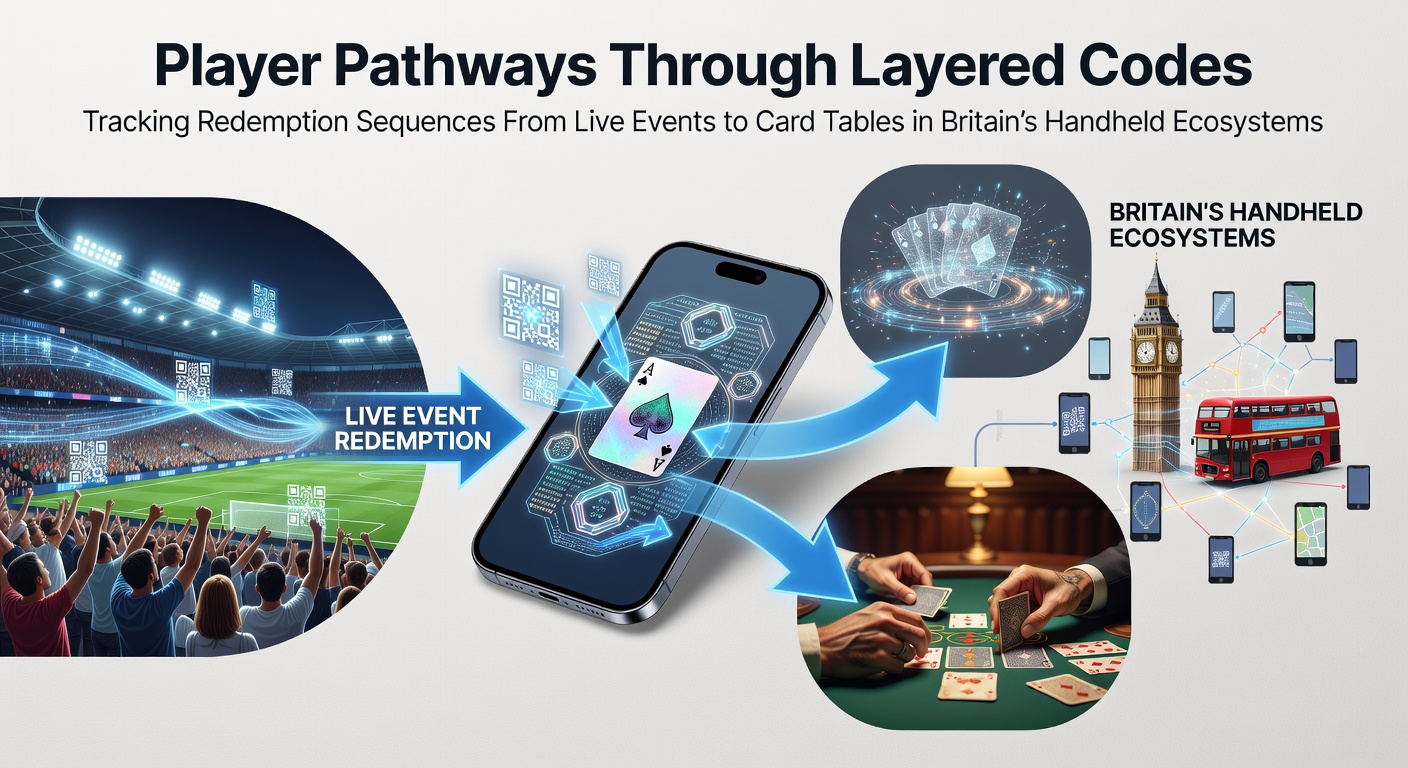
British mobile platforms track player movements through layered codes that begin at live events and extend into card table sections, creating measurable sequences across handheld devices. These systems record each redemption step where users activate event-based triggers then progress toward poker and casino environments within the same application. Data from industry reports shows consistent patterns in how codes layer additional incentives that encourage shifts between sports viewing and table game participation.
Initial Triggers at Live Events
Users at stadiums or broadcast events often receive initial codes through venue partnerships or app notifications tied to match outcomes. These entry-level codes activate in the sportsbook module before the system registers eligibility for secondary layers that unlock casino access. Observers note that redemption logs frequently capture timestamps from live moments directly linking to account profiles in Britain's handheld networks.
Platforms maintain backend tracking that sequences these activations so one code completion automatically flags the next available tier. This process operates without manual intervention once the first redemption occurs during an event. Research from the Canadian Gaming Association indicates similar layered mechanics appear in cross-border mobile ecosystems where event codes feed into table game promotions.
Layer Progression and Code Stacking
After the first redemption users encounter stacked codes that build on prior activity to grant poker tournament entries or chip allocations. The sequence requires completion of sports-related tasks before the app surfaces table game options. Those who study these flows report that the transition typically happens within a single session when users remain active on their devices.
Multiple code layers accumulate value that carries forward once players enter the card table area. Systems log each step so operators can measure how many users complete the full chain from live event trigger to poker participation. A report published by the Australian Gambling Research Centre highlights comparable stacking methods that guide players across game categories in mobile environments.
Tracking Mechanisms in Handheld Ecosystems
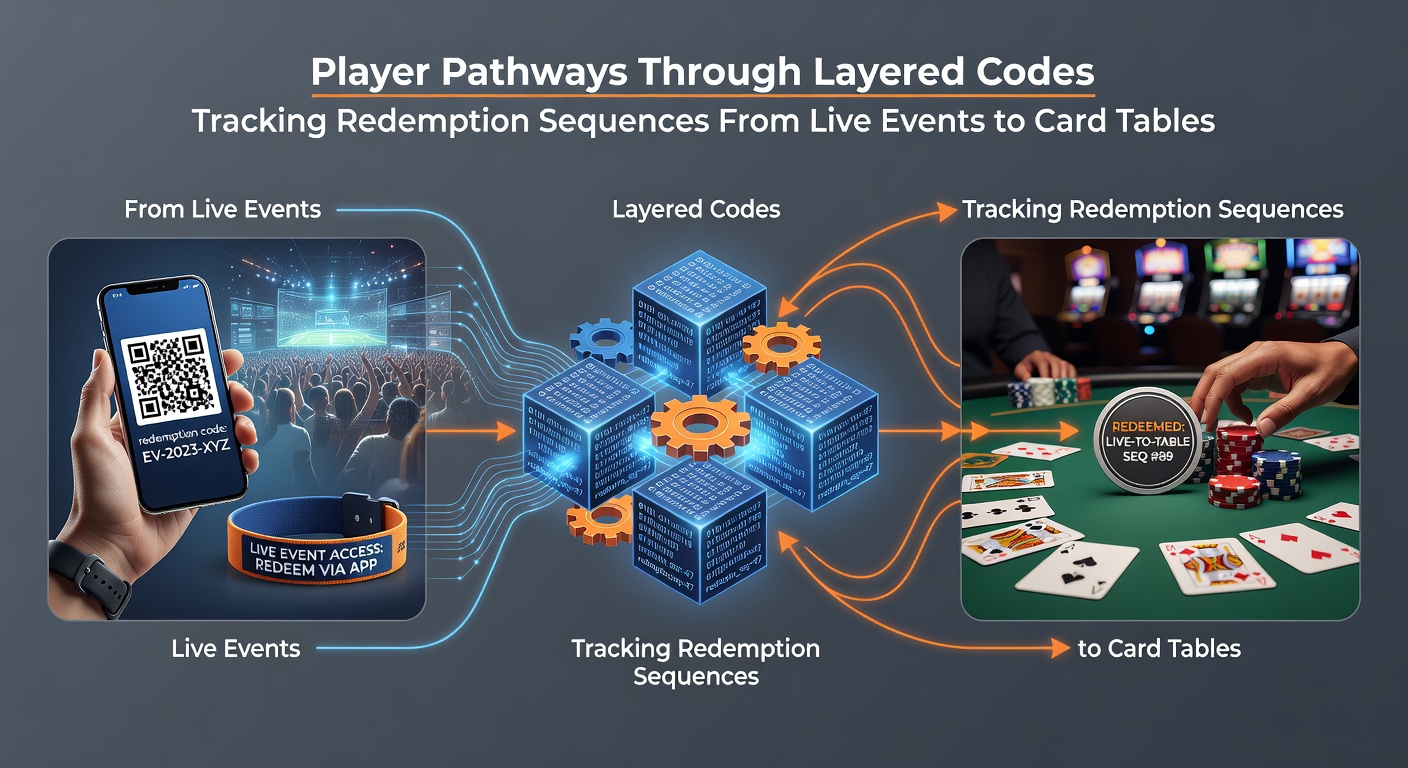
Handheld applications employ unique identifiers that follow users through each redemption phase regardless of location within the platform. These identifiers connect live event data points to subsequent card table activity creating a continuous record. Updates rolled out in June 2026 refined the precision of these tracking tools allowing faster recognition of sequence completion across devices.
Operators review aggregated sequence data to adjust code availability and timing. The records reveal how often initial live event codes lead to sustained engagement at poker tables within the same app. External analysis from the Nevada Gaming Control Board notes that mobile tracking systems in various regions use similar identifier chains to monitor cross-category movement.
Transition Points to Card Tables
Once users satisfy the layered requirements the app directs them toward poker sections where new code options appear. These transition points function as gateways that maintain momentum from the original live event redemption. Platform logs show the average time between event code activation and first table game entry remains consistent across user groups.
Additional sequences can restart when players return to live events and collect fresh codes that again feed into the card table environment. This cyclical pattern reinforces the connection between handheld use at physical venues and digital table participation. Studies from the University of Nevada Reno gaming laboratory document parallel transition mechanics in multi-platform mobile gambling setups.
Conclusion
Redemption sequences form structured pathways that link live events with card table access through layered codes in Britain's mobile gambling networks. Tracking tools capture each stage from initial activation to poker engagement providing operators with detailed movement data. Continued refinements in June 2026 and beyond support more accurate monitoring of these flows across handheld ecosystems.