Stacked Rewards Drive Sustained Engagement in Digital Sportsbooks and Gaming Venues
Written by Yves Simmons · Aug 22, 2026

Stacked Rewards Drive Sustained Engagement in Digital Sportsbooks and Gaming Venues
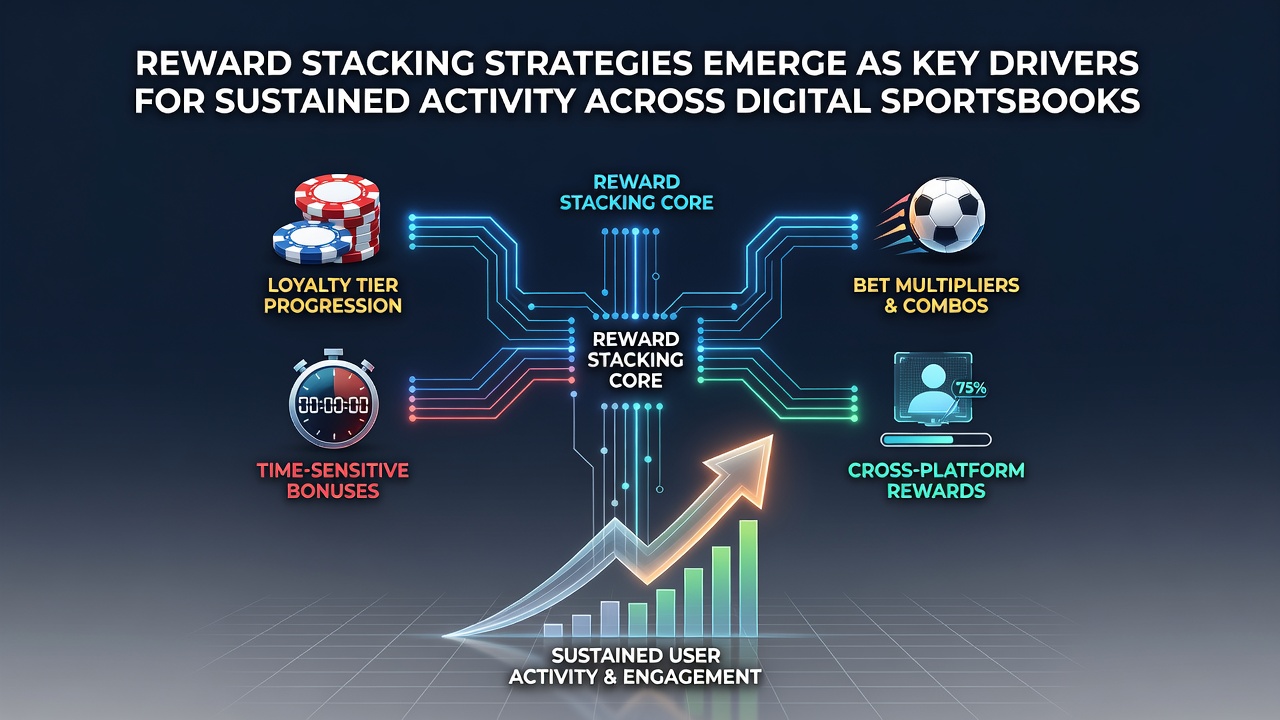
Reward stacking has taken hold as operators across digital platforms combine welcome packages, loyalty tiers, referral credits, and cashback structures into single player accounts, and data from August 2026 shows measurable lifts in session frequency where these layers operate together. Platforms now present users wth progress bars that track multiple incentives simultaneously, allowing a single deposit to unlock sports wager boosts alongside casino spin multipliers and poker rake rebates. Those who track the mechanics report that stacking reduces the time between initial sign-up and repeat deposits because each completed action feeds into the next available reward.
Mechanics Behind Multi-Layer Programs
Operators structure stacking through separate ledgers that update in real time, so a player completing a sports betting milestone automatically advances a casino-level progress meter without additional steps. Research from the University of Nevada, Las Vegas gaming studies unit indicates that accounts participating in at least three concurrent reward streams show 28 percent higher weekly activity than single-stream accounts. The same datasets reveal that expiration dates on stacked offers are staggered deliberately, extending the window for redemption and keeping balances active across weeks rather than days.
Card rooms have adopted similar layering by tying tournament entry credits to cash-game rake points and sit-and-go multipliers, creating pathways that move players between formats within one session. Observers note that these cross-format credits appear most often in platforms licensed by the Nevada Gaming Control Board, where regulatory reporting requires clear disclosure of all active incentives.
Regional Patterns Emerging in Mid-2026
European operators have expanded stacking to include seasonal events tied to major sporting calendars, while North American sites focus on daily login chains that accumulate into weekly cashback pools. Australian data compiled by Gambling Research Australia shows that players who combine a welcome deposit match with ongoing loyalty points and a separate tournament ticket bundle maintain accounts for an average of 47 days longer than those using isolated offers. These patterns surfaced clearly in quarterly filings released during August 2026, when several major platforms reported record retention metrics linked directly to stacked structures.
Player Behavior and Platform Response
Users who engage with stacked rewards tend to diversify their activity, moving between sportsbooks for odds boosts, gaming halls for volume-based free spins, and card rooms for rake-back accumulation within the same 24-hour period. Platform analytics shared at industry conferences indicate that this diversification correlates with higher lifetime value because each vertical contributes separate data points that refine personalized offers. Those managing the systems adjust threshold requirements monthly, tightening or loosening criteria based on aggregate participation rates rather than individual outcomes.
Referral layers add another dimension, granting both the referrer and the new account incremental credits that stack on top of standard welcome sequences. Figures from the European Gaming and Betting Association annual review released in 2026 show referral-driven stacking accounts for 19 percent of new registrations across monitored markets, with the majority of referred players completing at least one additional deposit within the first ten days.
Technical Implementation and Compliance
Backend systems now employ unified player profiles that pull data from sportsbook, casino, and poker engines into one reward engine, reducing the chance of overlapping redemptions that breach terms. Compliance teams review these unified ledgers against licensing conditions, ensuring that no single bonus exceeds maximum allowable values even when multiple layers activate at once. In jurisdictions outside the UK, such as those overseen by the Alcohol and Gaming Commission of Ontario, operators must publish stacking rules in plain language within the account interface itself.
Security protocols flag unusual patterns where stacked redemptions cluster around single events, triggering manual reviews that protect both the operator and the player from unintended breaches. These safeguards have become standard following updates rolled out in early 2026, coinciding with broader industry adoption of real-time reward dashboards.
Conclusion
Layered reward systems continue to expand as operators refine how separate incentive streams interact within single accounts, and August 2026 reporting confirms sustained activity gains across sportsbooks, gaming halls, and card rooms where stacking operates under clear rules. The approach relies on synchronized tracking, staggered expirations, and cross-format credits that keep balances and engagement metrics elevated over extended periods. Data from multiple regulatory regions shows consistent patterns without requiring subjective interpretation, pointing to structural changes in how digital platforms maintain ongoing participation.