Tim Miller Delivers Key Regulatory Updates at BGC AGM 2026: Leadership Changes, New Funding, and Innovation Push
14 Mar 2026
Tim Miller Delivers Key Regulatory Updates at BGC AGM 2026: Leadership Changes, New Funding, and Innovation Push

Spotlight on the BGC AGM Speech
Tim Miller, executive director of the UK Gambling Commission, took the stage at the Betting and Gaming Council (BGC) Annual General Meeting on 26 February 2026, laying out a roadmap for the sector's immediate future; attendees heard details on leadership transitions, fresh funding injections, proposed fee hikes, and a clear nod to licensed market innovations, all while underscoring the ongoing battle against illegal operators. This address, delivered amid a landscape where regulated gambling faces evolving pressures, set the tone for discussions carrying into March 2026, as industry stakeholders digest the implications and prepare responses to upcoming consultations.
What's interesting here lies in how Miller framed these updates not as isolated moves, but as interconnected steps toward bolstering a safer, more innovative licensed environment; he pointed to collaboration across government, regulators, and operators as the linchpin, especially with taskforces already in motion targeting offshore threats. And as March 2026 progresses, those taskforces continue their work, building directly on the momentum from his remarks.
Leadership Transition at the Helm
Central to Miller's speech stood the announcement of Chief Executive Andrew Rhodes' departure on 30 April 2026, marking a pivotal shift for the Gambling Commission after years of steering through high-stakes reforms; Rhodes, who navigated the organization through affordability checks and market integrity pushes, exits as the regulator eyes new challenges like digital evolution and enforcement ramps. Observers note this timing aligns with broader governmental reshuffles, yet Miller stressed continuity in core objectives, ensuring the incoming leader inherits a framework primed for action on illegal markets and innovation support.
But here's the thing: such transitions often spark speculation about strategic pivots, though data from past Commission reports indicates leadership changes rarely disrupt operational tempo; instead, they refresh perspectives, much like how previous executives adapted to post-Brexit compliance surges. People in the sector, from BGC members to compliance officers, now watch closely as recruitment unfolds through spring 2026.
£26 Million Boost to Tackle Illegal Gambling
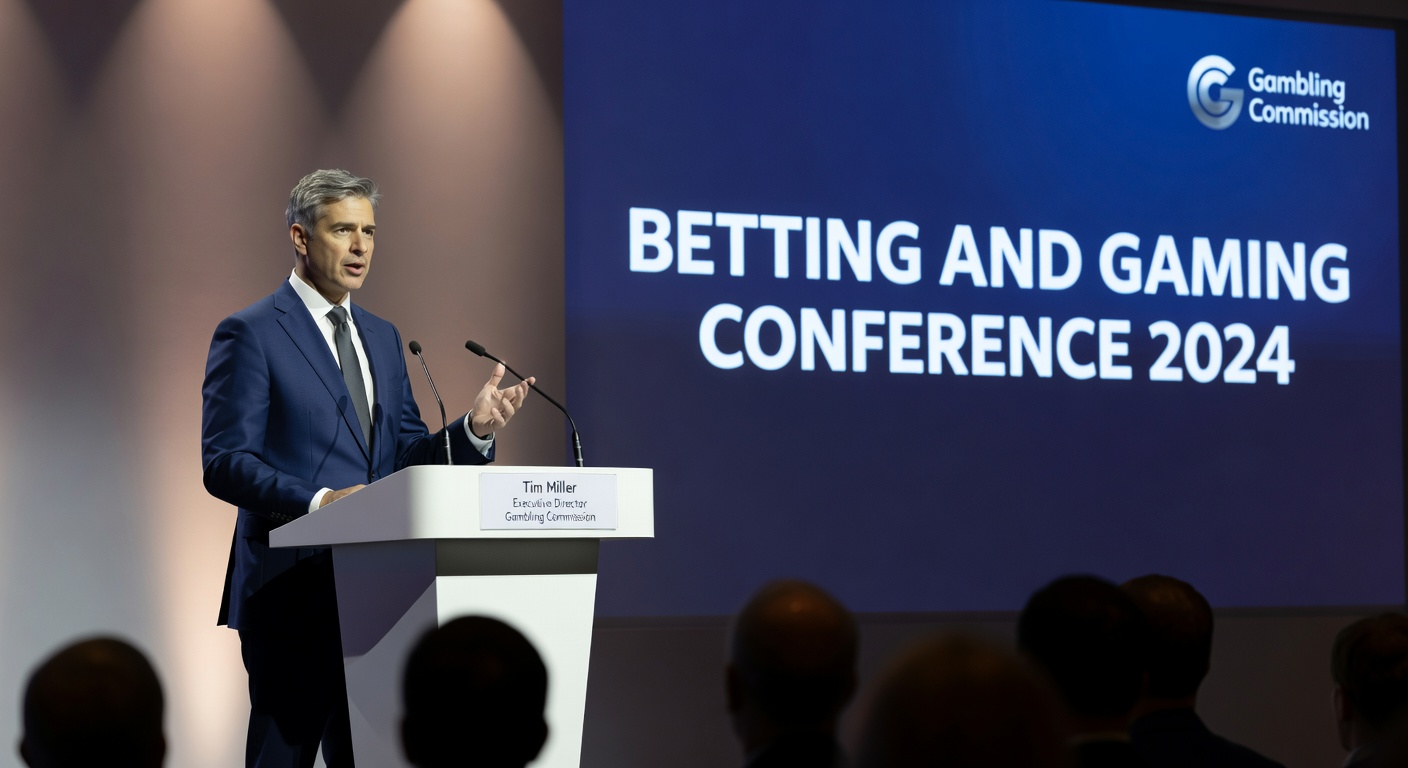
Miller revealed a substantial new commitment of £26 million over three years dedicated to combating the illegal gambling market, funds earmarked for enhanced enforcement, intelligence gathering, and disruption of unlicensed platforms that evade taxes and player protections; this injection, sourced from government allocations, equips the Commission with tools to pursue operators beyond UK borders, where offshore sites often lure players with unregulated odds and bonuses. Turns out, these resources will fuel joint operations with agencies like the National Crime Agency, amplifying takedowns that have already shuttered dozens of rogue entities in recent quarters.
Experts who've tracked illicit flows point out that illegal operators siphon revenue estimated in the hundreds of millions annually, undermining licensed firms' investments in safer gambling; Miller highlighted taskforce collaborations as key, with BGC and government partners sharing data to trace payment trails and block access. So as March 2026 brings fresh enforcement waves, punters and operators alike stand to benefit from a cleaner market landscape, where the playing field tilts firmly toward regulation.
Licence Fee Consultation: From 0.21% to 0.28% of GGY
Ahead loomed a consultation on raising annual licence fees from 0.21% to 0.28% of Gross Gambling Yield (GGY)—that critical metric representing net profits after player winnings, which totalled billions across remote and non-remote sectors last year; this adjustment, if approved, generates additional revenue to offset rising regulatory costs, including the very enforcement funded by that £26 million package. Figures reveal GGY's steady climb, with remote betting and gaming driving much of the growth, so the fee bump—though modest per operator—scales with success, ensuring bigger players shoulder more of the load.
Yet the proposal sparks debate in boardrooms, as BGC members weigh it against commitments to responsible gambling levies; Miller positioned it transparently, inviting industry input before final decisions, a process that extends into late spring 2026. Those who've navigated prior fee tweaks, like the 2023 adjustments, often discover they fund tangible wins, such as bolstered consumer tools and compliance tech.
It's noteworthy that tying fees to GGY keeps them performance-linked, avoiding flat burdens on smaller licensees; and with consultations open, stakeholders from indie bookies to casino chains submit evidence on impacts, shaping a balanced outcome.
Backing Innovation in Licensed Venues
Miller threw strong support behind innovations that align with licensing goals, spotlighting physical sports books within casinos as prime examples—take Paddy’s Sports Book at London’s Hippodrome Casino, where punters blend live betting screens with slots and tables under one regulated roof; these setups, he argued, enhance customer experience without spiking risks, since they operate under the same oversight as traditional offerings. Researchers studying hybrid venues have found such integrations boost dwell time and revenue, yet maintain affordability safeguards through unified monitoring.
Now, this stance signals regulators' willingness to evolve alongside operators, greenlighting tech like in-play analytics or immersive displays so long as they steer clear of problem gambling triggers; it's not rocket science, but the rubber meets the road in proving low-risk via data submissions. One case that stands out involves similar sports books in regional casinos, where Commission audits confirmed no uptick in harm metrics despite volume gains.
And as March 2026 sees more applications for these formats, the Hippodrome model serves as a blueprint, encouraging chains to innovate confidently within bounds.
Taskforce Collaborations Take Center Stage
Throughout the speech, Miller emphasized multi-party taskforces uniting the Gambling Commission, BGC, and government bodies to dismantle illegal networks; these groups, operational since late 2025, leverage shared intel on crypto laundering and proxy servers, yielding arrests and site blocks that protect licensed revenue streams. Data from enforcement logs shows taskforce efforts recovered millions in evaded duties last year alone, a trend set to accelerate with the new funding.
People familiar with these ops describe them as precision strikes, targeting kingpins rather than low-level affiliates; while challenges persist—like jurisdictional hurdles with overseas hosts—progress metrics indicate shrinking market share for rogues. That said, the speech's call for deeper industry involvement means BGC members ramp up reporting, closing loops faster.
Wrapping Up the Regulatory Horizon
Miller's BGC AGM address on 26 February 2026 crystallized a proactive Gambling Commission agenda, blending leadership renewal with £26 million for enforcement, a GGY-tied fee consultation, innovation endorsements like the Hippodrome sports book, and taskforce synergies; as these threads weave forward into March 2026 and beyond, the licensed sector gains clarity on navigating growth amid safeguards. Observers tracking the space anticipate swift consultation responses and early funding deployments, fortifying a market where regulation fuels rather than fetters progress.
In the end, this speech doesn't just inform—it equips operators and punters for a structured path ahead, with collaboration proving the ultimate game-changer.