15 Jun 2026
Tracing the Path of Bonus Codes in Smartphone-Focused Betting Platforms
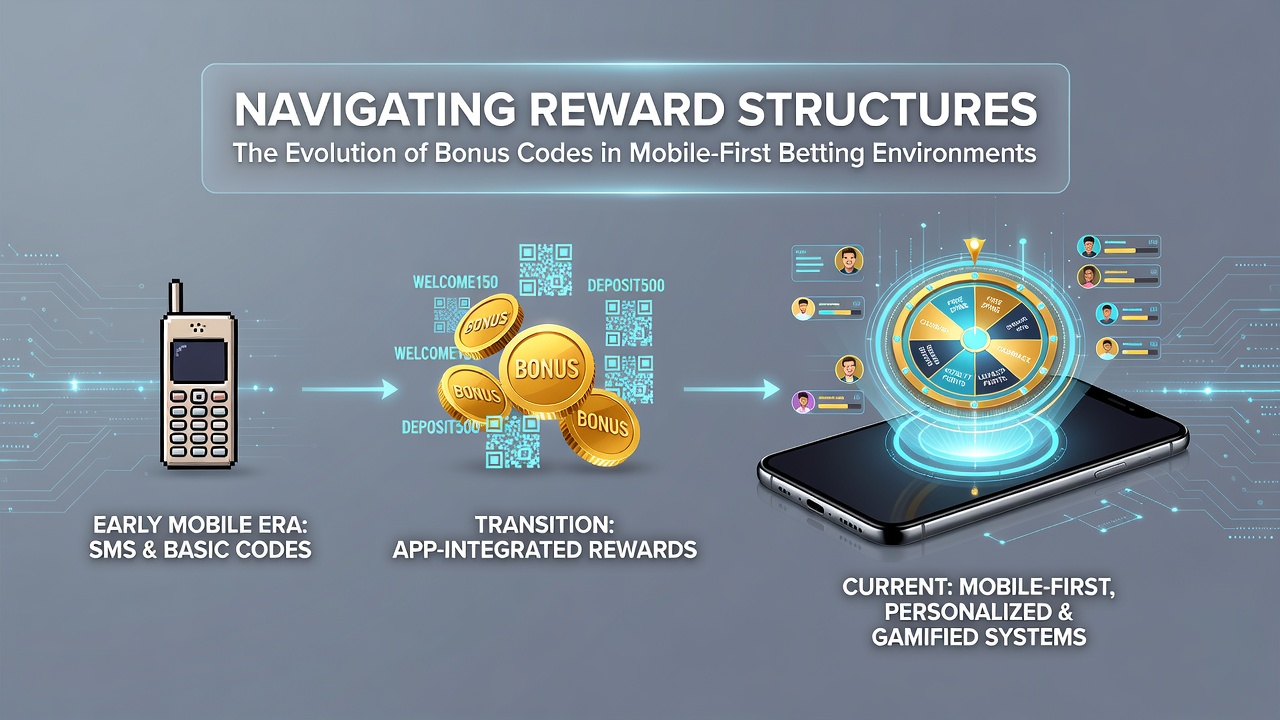
Bonus codes first appeared in desktop-heavy online betting during the late 1990s and early 2000s as simple promotional strings that unlocked welcome credits or free spins. Those early codes required manual entry on websites built for larger screens and slower connections, yet they set the foundation for later mobile adaptations. As smartphone usage grew, developers began redesigning reward systems to fit smaller interfaces and touch controls, which meant shorter codes, one-tap redemptions, and integration with app notifications.
By 2015 mobile betting traffic had overtaken desktop in several markets, prompting operators to shift code distribution toward push alerts and in-app wallets. Data from the American Gaming Association shows mobile accounted for more than 60 percent of total wagers in regulated U.S. states that year, a trend that accelerated code evolution. Codes moved from long alphanumeric strings to shorter, QR-scannable formats that reduced typing errors on phones.
Key Technological Shifts Driving Code Design
Advancements in geolocation and device fingerprinting allowed platforms to verify eligibility instantly, which cut down on code misuse while speeding up redemptions. Operators introduced tiered reward structures where initial codes unlocked basic offers and subsequent codes granted higher-value rewards based on activity tracked through the app. This layered approach became common because mobile users tended to engage in shorter, more frequent sessions compared with desktop players.
Security updates played a major role too. Two-factor authentication tied to mobile numbers replaced simple email confirmations, and codes began expiring within hours rather than days to limit sharing across devices. Researchers at the University of Sydney documented these changes in a 2021 study that examined code redemption patterns across Australian betting apps, noting a 40 percent drop in fraudulent claims after mobile-specific verification rolled out.
Current Practices in Mid-2026
By June 2026 most major platforms deliver personalized codes through app dashboards that update in real time based on user location and recent bets. These codes often combine sports, casino, and poker elements into single bundles, reflecting the hybrid nature of modern mobile betting. Players receive notifications when new codes become available, and redemption happens with a single swipe rather than manual entry.
Regional regulators outside the United Kingdom have influenced these designs. The Australian Communications and Media Authority requires clear display of wagering requirements directly on the code screen, while Canadian provincial bodies mandate time limits visible before activation. Such rules have standardized how codes appear on phones and reduced confusion for users crossing borders.
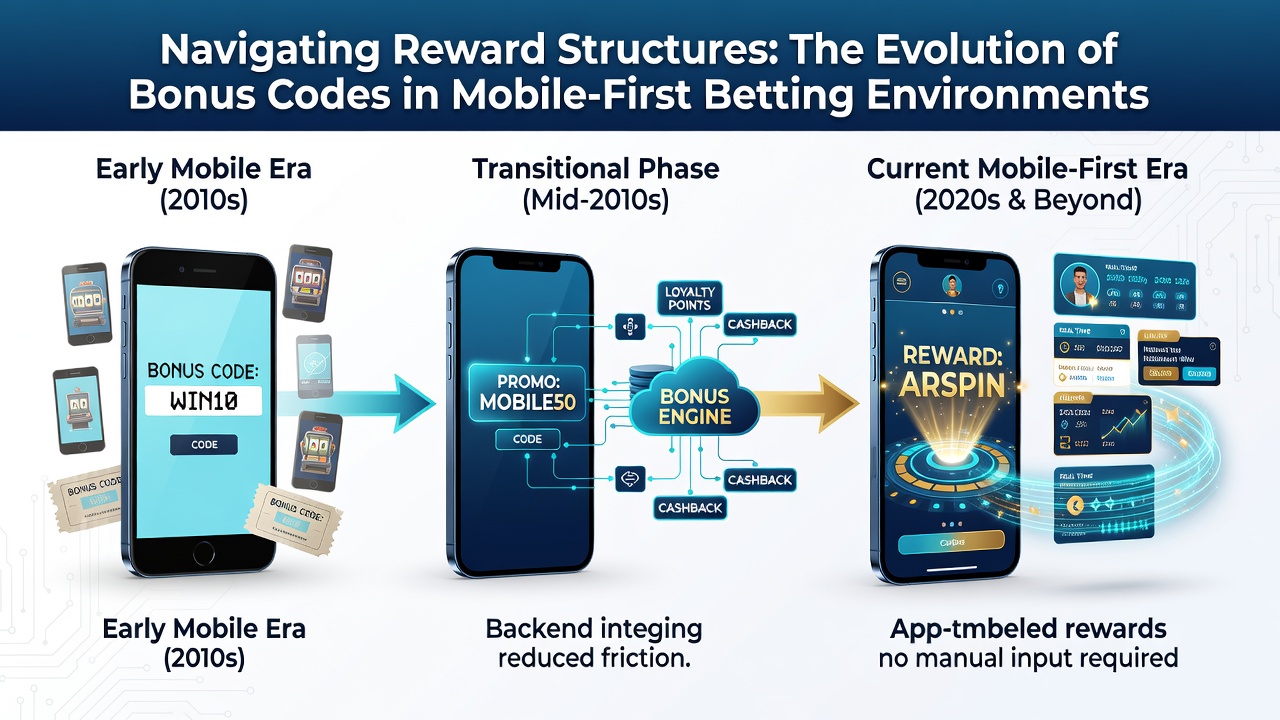
Operators now track code performance through heat maps that reveal which offers attract the most mobile engagement at different times of day. This data informs future code releases, creating cycles where popular codes return in updated forms. The European Gaming and Betting Association reported in its 2025 annual review that mobile-first codes generated 78 percent of all promotional redemptions across member platforms, underscoring the format's dominance.
Navigating Reward Structures Effectively
Users benefit from understanding how codes interact with account levels and loyalty tiers. Many platforms automatically upgrade code value once a player reaches a certain deposit threshold, yet this upgrade only triggers if the code is redeemed through the mobile app rather than the website. Observers note that checking the app's terms section before activation prevents missed opportunities.
Another practical step involves monitoring code expiry tied to device time zones. A code issued in one region may appear active on a traveler's phone yet fail to redeem if the account location has shifted. Several platforms added a time-zone confirmation prompt in 2026 to address this exact issue.
Looking Ahead
Future developments point toward deeper integration with digital wallets and biometric login, allowing codes to activate automatically when spending patterns match predefined criteria. Blockchain-based verification systems are already in pilot stages in parts of Asia, where codes function as unique tokens that cannot be duplicated across accounts. These changes continue the pattern of adapting reward structures to the constraints and capabilities of mobile hardware.
Conclusion
The progression from desktop-era codes to mobile-first incentives shows consistent adaptation to user behavior and regulatory demands. Data across multiple jurisdictions confirms that shorter, device-specific codes with instant verification now dominate the landscape, and further refinements will likely follow advances in phone technology and cross-border rules. Players who track these shifts through official app updates stay aligned with current reward mechanics without additional effort.