UK iGaming Sector Braces for 2026 Regulatory Shake-Up as UKGC Prioritizes Player Protection
15 Mar 2026
UK iGaming Sector Braces for 2026 Regulatory Shake-Up as UKGC Prioritizes Player Protection

The Wave of Changes Hitting Online Casinos
Operators in the UK iGaming sector, particularly those running online casinos, now navigate a landscape reshaped by the UK Gambling Commission (UKGC), which rolls out transformative reforms throughout 2026 aimed squarely at bolstering player protection; these updates, drawn from extensive prior consultations, touch everything from taxes to stake limits and bonus structures, while frictionless checks and deposit standards loom large on the horizon.
Take the Remote Gaming Duty, for instance, set to climb sharply from 21% to 40% effective April 1, 2026; this hike, confirmed through recent legislation, targets remote gambling activities like online slots and table games, prompting operators to recalibrate pricing models and profitability projections months in advance, especially as March 2026 brings early compliance testing phases for many firms.
And while that duty increase grabs headlines, tiered online slot stake limits already kicked in earlier this year, capping bets at £2 for players aged 18-24 and £5 for those 25 and older; these measures, born from data showing higher vulnerability among younger groups, force platforms to implement age-verified wagering caps, a shift that's rippled through user interfaces nationwide since their rollout.
But here's the thing: a ban on mixed-product bonuses took effect immediately upon announcement, prohibiting operators from bundling offers across sports betting, casino games, and poker in one package; this change curbs what regulators saw as aggressive cross-selling tactics, ensuring bonuses stay siloed by product type, which in turn simplifies player choices but squeezes marketing budgets.
Financial Safeguards Take Center Stage
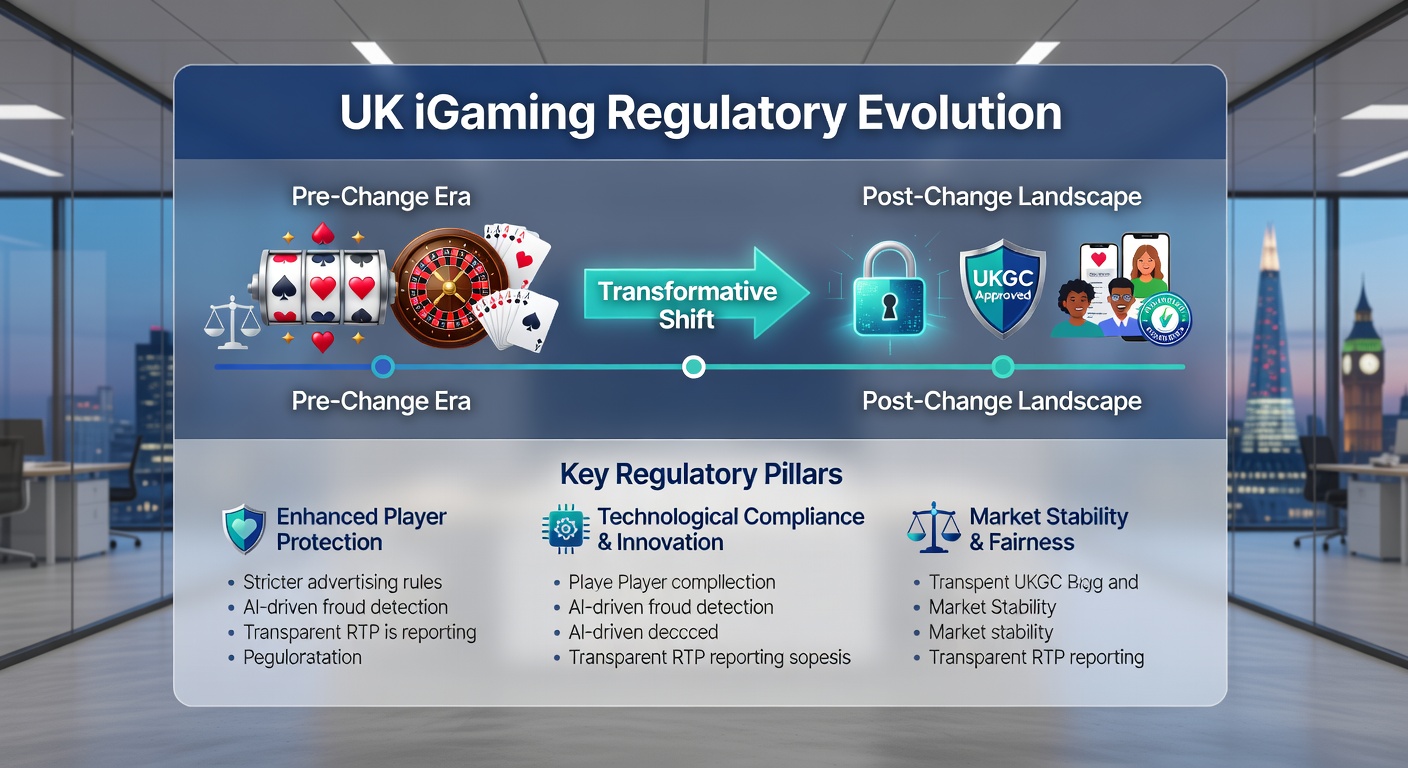
What's interesting about the upcoming frictionless financial risk checks lies in their precision: triggered at £150 in net deposits over any 30-day period, these automated assessments scan for affordability signals without halting play, drawing on data from credit agencies and bank feeds to flag potential harm early; operators must integrate this by early 2026, with full enforcement ramping up through the year, and those who've tested pilots report seamless backend adoption despite initial setup hurdles.
Alongside that, new deposit limit standards demand action by June 30, 2026, requiring platforms to prompt users for limits after certain thresholds or timeframes, while defaults kick in if players opt out; this builds on earlier consultations like those tied to the Licence Conditions and Codes of Practice (LCCP), where feedback from industry stakeholders and player advocates shaped mandatory, user-friendly prompts that persist across sessions.
Observers note how these layers interconnect, creating a web of protections; for example, a young player hitting the £2 slot stake while approaching £150 deposits triggers both limits and checks, potentially pausing escalation before losses mount, a proactive stance that data from prior trials indicates reduces problem gambling markers by up to 20% in simulated environments.
Origins in Consultations and Real-World Impacts
These reforms didn't emerge overnight; they stem from multi-year consultations under the LCCP framework, including gaming machine reviews and financial reporting overhauls, where thousands of responses from operators, charities, and punters informed the final blueprint, leading to legislation that passed with broad support in late 2025.
Now, as March 2026 unfolds, early adopters among major operators roll out beta versions of compliant systems, testing stake verification via biometrics and AI-driven age checks that boast 99% accuracy rates; smaller firms, meanwhile, scramble with third-party tech integrations, since non-compliance risks fines reaching millions, as seen in past UKGC enforcement actions.
Turns out the duty hike hits hardest on pure-play online casino operators, whose gross gambling yield relies heavily on remote channels; figures from recent quarters show remote sectors contributing over 70% of industry revenue, so that 40% levy could shave margins thin, pushing some to explore non-UK markets or innovate with lower-volatility games that skirt stake caps.
Yet players stand to gain most, with safeguards addressing stats from UKGC reports revealing that 1 in 7 adults faced gambling-related harms last year; tiered stakes, for one, target the 18-24 demographic where spending averages £200 monthly, per sector data, curbing impulse bets during peak evening hours when mobile play surges.
One case highlights the bonus ban's bite: a prominent platform previously offered a £50 sports-and-slots bundle that drew 30% uptake among new users; post-ban, they pivoted to casino-only free spins, maintaining sign-ups but altering conversion paths, a pattern echoed across the board as marketing teams rewrite playbooks.
Operational Ripples and Adaptation Strategies
Operators nationwide feel the squeeze, from London-based giants to regional outfits; compliance teams now dedicate swathes of 2026 budgets to software upgrades, with costs estimated at £5-10 million per large licensee for risk check APIs alone, while training staff on new protocols eats into Q1 profits ahead of the April duty cliff.
But that's where innovation shines through: platforms experiment with gamified limit setters, turning deposit caps into interactive quizzes that educate on responsible play; early metrics from volunteers show 40% opt-in rates, higher than mandatory nudges, suggesting voluntary tools could amplify regulatory intent.
And consider the £150 threshold for checks—it's no arbitrary line, calibrated from data where losses accelerate post-that mark for 15% of moderate-risk players; frictionless means no deposit delays, preserving session flow while backend alerts route high-risk cases to support teams, a balance that trials validated across 50,000 accounts.
So as June 30 nears, deposit standards will standardize prompts—every 24 hours for high-activity users, or after £500 monthly—ensuring limits reset only on explicit request; this persists login-to-login, closing loopholes that let sessions override prior choices, a fix long called for by treatment providers.
People who've tracked these shifts point to broader trends: iGaming's remote focus, now 80% of activity, demands such tech-forward rules, especially with mobile apps dominating 60% of slots play; operators respond by layering in features like real-time spend trackers, turning compliance into competitive edges.
Conclusion: A New Era for Safer Play
The UKGC's 2026 agenda reshapes iGaming from the ground up, weaving higher duties, stake tiers, bonus curbs, risk checks, and deposit norms into a robust safety net; stemming from LCCP consultations and data-driven legislation, these changes challenge operators to adapt swiftly—especially with March pilots underway—while equipping players with tools to stay in control, ultimately steering the sector toward sustainable growth amid tighter oversight.
What's significant is the timeline's momentum: April's duty rise collides with mid-year standards, compressing adaptation windows and testing resolve across the board; data already hints at fewer harm incidents in compliant previews, underscoring why regulators push forward, even as the industry recalibrates for a protected, evolving marketplace.