6 Jun 2026
Verification Chains and Reward Unlocking in UK Mobile Betting Applications
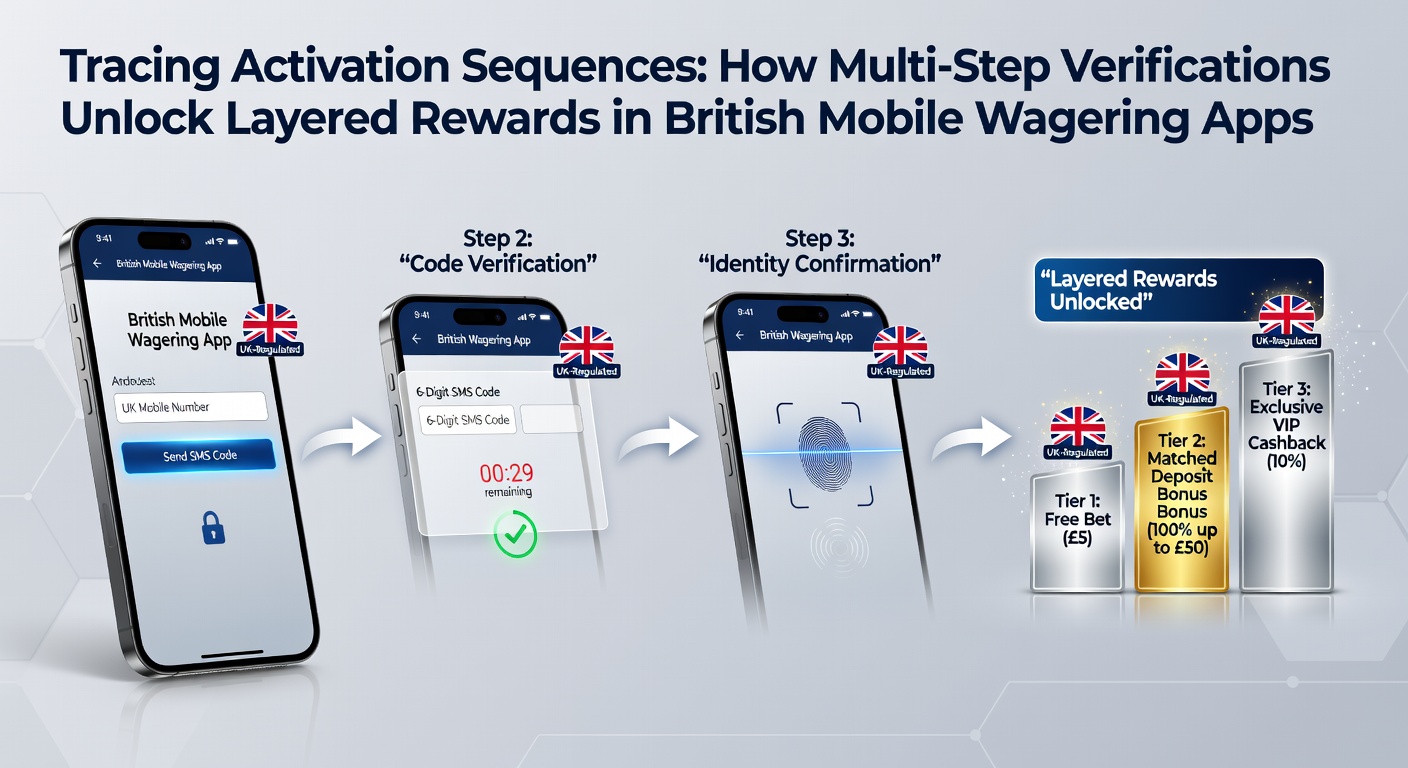
Activation sequences in British mobile wagering apps follow structured pathways that require users to complete successive verification stages before accessing progressive reward tiers, and these processes integrate identity checks with transaction confirmations alongside activity thresholds. Observers note that each completed step triggers the next layer of eligibility, creating a chain where initial registration leads to email or SMS confirmation, which then opens deposit verification routes, and further stages incorporate gameplay metrics that determine bonus release.
Data from industry reports indicate that platforms structure these sequences to align with regulatory expectations while enabling users to accumulate rewards incrementally. Researchers have documented cases where a single verification failure resets portions of the sequence, forcing users to retrace steps through support channels or automated resubmission tools. This design appears across multiple apps operating in the UK market as of June 2026, where mobile interfaces streamline the process through in-app prompts that guide users sequentially without requiring external browser navigation.
Initial Registration and Identity Confirmation Steps
Users begin with account creation that collects basic details such as name, date of birth, and address, after which the system initiates automated cross-checks against public databases. Completion of this stage often unlocks a preliminary reward category, typically consisting of limited free spins or a small matched credit amount. Those who've studied app architectures report that identity confirmation frequently incorporates document uploads, where government-issued identification undergoes review within 24 to 48 hours, and successful validation advances the sequence to payment method linkage.
Payment verification follows as the subsequent phase, requiring users to connect a bank account or card and confirm ownership through micro-deposits or token transactions. This step activates eligibility for deposit-matched incentives, and data shows that platforms track these confirmations to prevent duplicate accounts while layering additional rewards once the process clears.
Deposit Thresholds and Activity-Based Unlocks
After payment methods receive approval, the sequence shifts toward deposit activity that meets minimum thresholds before releasing the next reward tier. Applications monitor wager volumes in real time, crediting layered bonuses only after users reach specified playthrough multiples, and this mechanism connects directly to the verification chain because incomplete prior steps block progression tracking altogether. What's interesting is how some platforms embed secondary confirmations, such as location checks via GPS during mobile sessions, to validate ongoing compliance within the sequence.
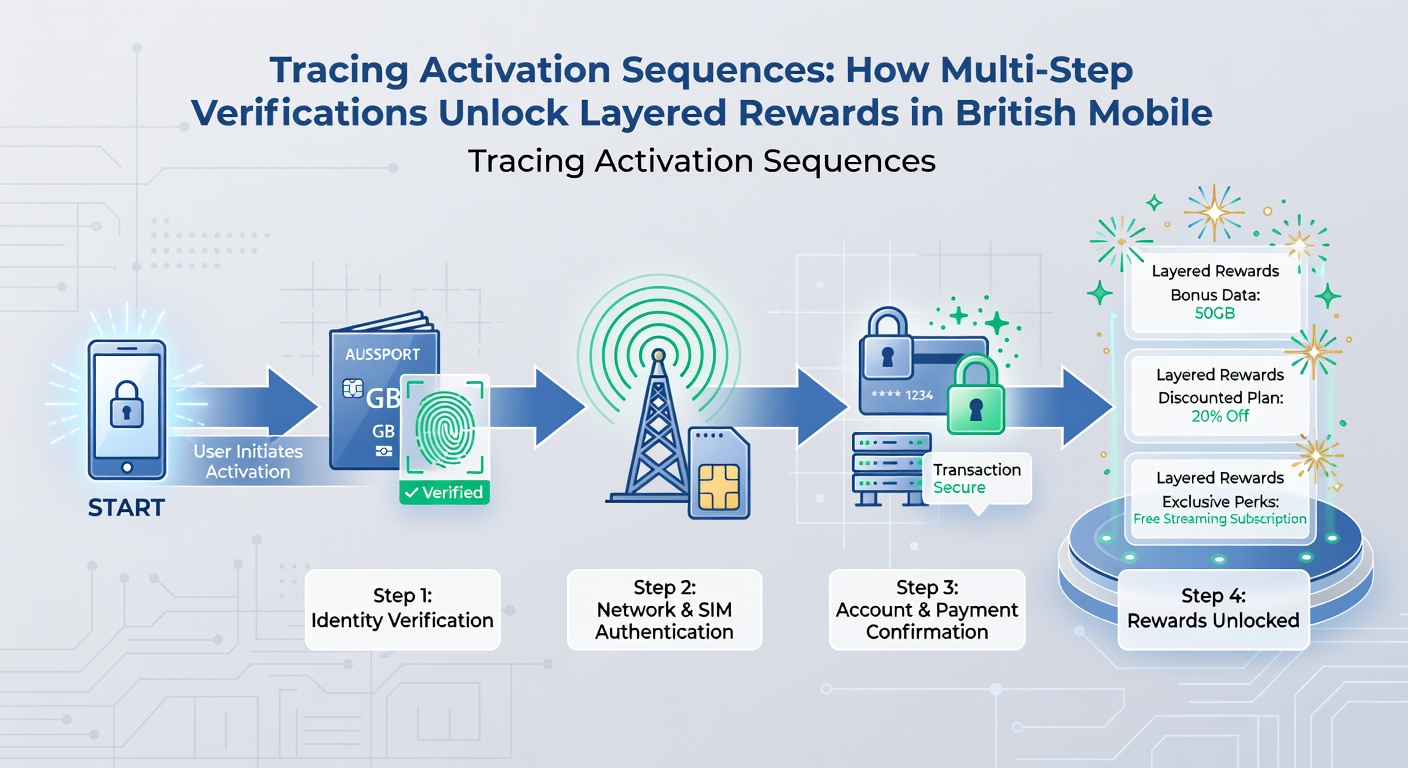
Studies from research institutions like those affiliated with the Responsible Gambling Council highlight patterns where multi-step verifications reduce unauthorized access while enabling reward accumulation that scales with user engagement. In June 2026, several British apps introduced enhanced biometric options at the activity stage, allowing fingerprint or facial recognition to substitute for repeated code entries and thereby accelerate progression through the remaining layers.
Integration of External Standards and Reporting
Platforms align their activation sequences with broader industry frameworks that emphasize secure data handling during each verification point. According to information from the European Gaming and Betting Association, consistent application of these steps supports transparent reward distribution across mobile environments. Observers note that when sequences incorporate automated reporting to oversight bodies, users experience fewer interruptions because compliance data flows directly from the verification modules.
Take one documented implementation where an app required sequential confirmation of both personal details and transaction history before unlocking a combined sports and casino reward bundle. Completion rates tracked in internal metrics show higher retention among users who advance past the third verification stage, as each unlock provides tangible access to additional features that build on prior activity.
Conclusion
Multi-step verification sequences in British mobile wagering apps establish clear pathways that connect identity validation with transaction security and activity benchmarks to release layered rewards progressively. These structures maintain operational consistency across platforms while adapting to technological updates seen in mid-2026 deployments. Evidence from regulatory and research sources demonstrates that such sequences facilitate controlled access to incentives without disrupting user flow once initial hurdles clear.